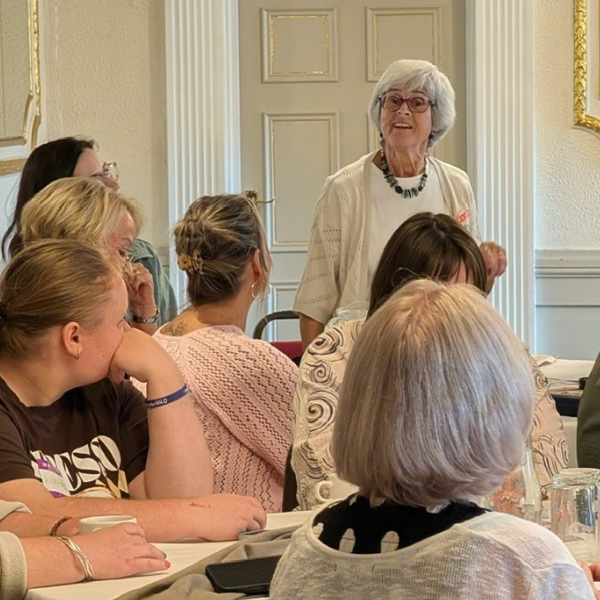
Shared Lives South West Trustee Dr Gulzar Singh recently attended our Open Board Meeting, where trustees, staff, Shared Lives Carers and people drawing on support came together in one shared conversation.
In this blog, Gulzar reflects on why hearing directly from people with lived experience is essential to good governance, and how boards can stay connected to the people they ultimately serve.

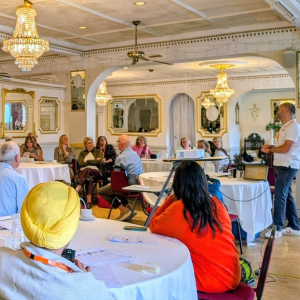
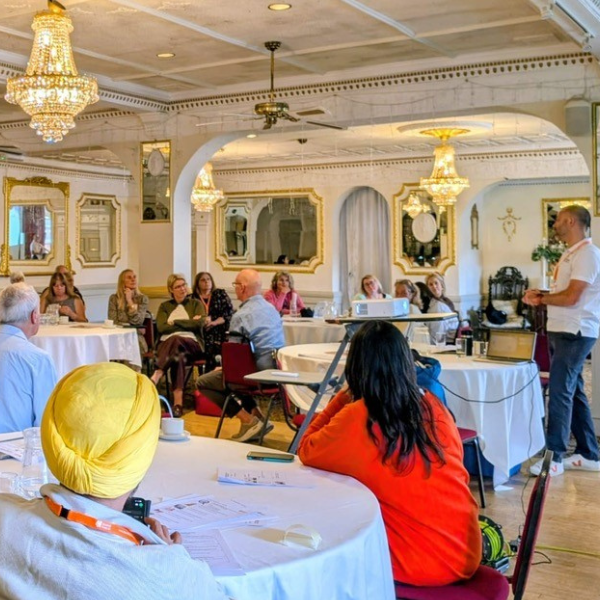
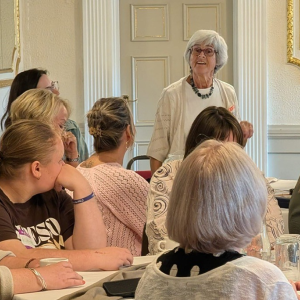
Recently, I attended the Shared Lives South West Open Board Meeting. I have attended many board meetings over the years, but there was something particularly useful about the way this one brought different people into the same conversation.
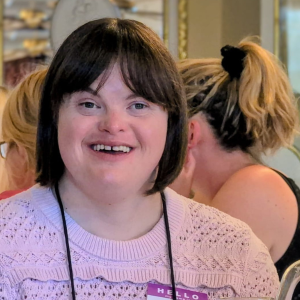
Shared Lives households were part of the meeting. Information was available in Easy Read. We heard directly from a Shared Lives Carer and a person she supports. Trustees, colleagues and people experiencing the service were not sitting in separate conversations. They were part of the same one.
It made me think again about what good governance in care really means. We often associate governance with board papers, policies, finance and risk. All of these matter. But eventually governance has to show up somewhere else: in whether care is safe, effective, caring, responsive and well-led.
 Safe care starts with trust
Safety is fundamental. People need to be protected from harm, but they also need to feel secure in the support around them.
For a board, that means looking beyond whether the right policies exist. We need to understand whether safeguarding, risk management and support arrangements are working where it matters, in people’s everyday lives.
That is where assurance becomes real.
Effective care is about people’s lives
Boards naturally look at performance measures, finance and reports. We need them. But they should never become a substitute for understanding outcomes.
The questions are more human. Are people becoming more independent? Can they make choices about their lives? Are they developing relationships, learning new things, and remaining connected to their communities?
Listening directly to people brings a different kind of evidence into the boardroom. A spreadsheet cannot always tell you how somebody’s life is changing.
 Caring means keeping the person visible
Kindness, dignity, respect and compassion are simple words, but they matter enormously in care.
One of the strengths of Shared Lives is that support develops through relationships, homes and ordinary community life. It feels personal because it is personal.
As organisations develop, boards have a responsibility to make sure that human quality is not lost among processes and targets.
Responsive organisations listen
People’s circumstances change, and good services have to change with them.
This is why listening matters. Making information available in Easy Read and creating space for people to participate in an Open Board Meeting may appear quite practical. But they say something deeper about whose voice matters.
Being responsive begins with hearing people properly.
 Well-led brings everything together
A well-led organisation still needs the fundamentals: clear purpose, sound finances, good risk management and accountability.
But leadership and governance also require something less measurable. Boards need to remain curious and connected to the people the organisation exists to serve.
That was my strongest reflection from the meeting.
Good governance is not measured by how much a board discusses. Its value is seen beyond the boardroom: in whether people feel safe, achieve good outcomes, are treated with dignity, receive support that responds to their lives, and have a genuine voice.
When that happens, governance stops being something we simply do at meetings.
It becomes part of good care.
You can read more of our blogs here. Information about our trustees can be found here.