Shared Lives is a hugely rewarding model. It runs a little like adult fostering throughout the UK, providing behind the scenes stability and encouragement in independence for thousands of adults with support needs from Cornwall all the way through to John o’ Groats.
This article aims to answer some FAQ’s to clarify how Shared Lives is funded by delving into the nitty gritty of payments, carer incentives, and more.
How is a Shared Lives Carer employed?

A Shared Lives Carer is technically self-employed. Despite receiving their income through the Shared Lives scheme they are part of, they are registered as self-employed and manage their own tax return and expenses.
As a carer accrues pay through the year, it’s important they keep records, receipts, and any evidence of expenses. We encourage our carers to apply for Qualifying Care Relief which provides a higher threshold of untaxable income to those working as a Shared Lives Carer.
The rates that we pay our carers is based on the person they are supporting. An assessment highlights any areas that the local authority feels moves the person supported into a higher banding. A higher banding indicates that more complex care and support is required so the cost and carer rates increase.
A Shared Lives Carer can expect to receive between £420 and £673 per week per person they support on a long-term basis, while short-term carers earn £79 to £139 per night. There is a three person cap for long-term to ensure that everyone receives enough time with their carer.
What is a Shared Lives Carer’s pay meant to cover?
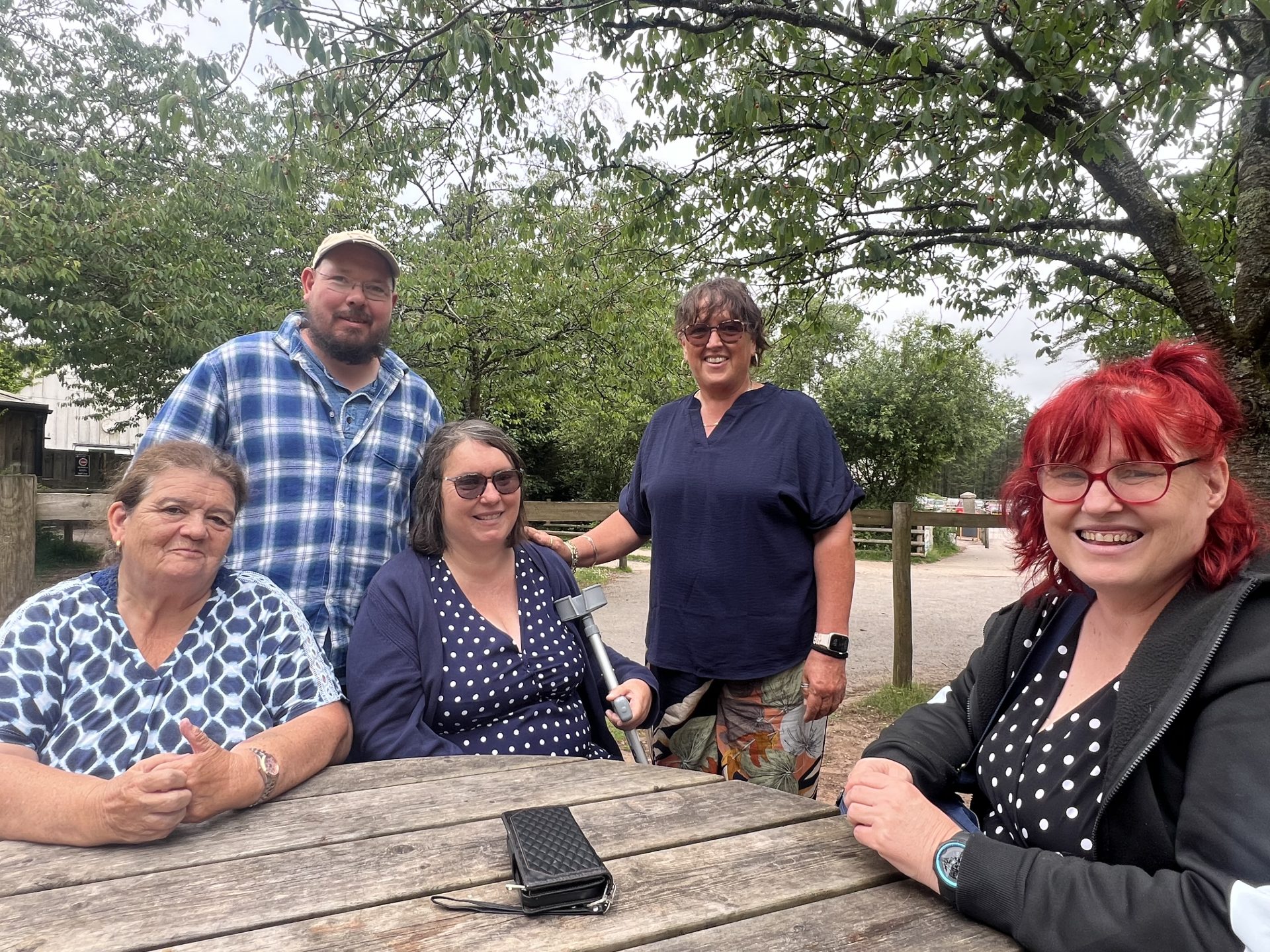
The fee a carer receives for their work is treated the same as someone receiving a regular salary. It’s remuneration for the key work they do. It covers the upkeep of the home, rent and household costs, and directly pays for the care and support they provide. The contributions from the person supported is often used towards:
- Bills. This includes the main costs for electricity, water, and gas.
- Food. The weekly shop for the household.
- Day to day. Covering the day to day running of the household.
At Shared Lives South West, our Funding & Benefits team can help ensure every household is accessing all the financial support they’re entitled to and answer tricky money questions. Contact us for more information.
Are there other benefits to becoming a Shared Lives Carer?
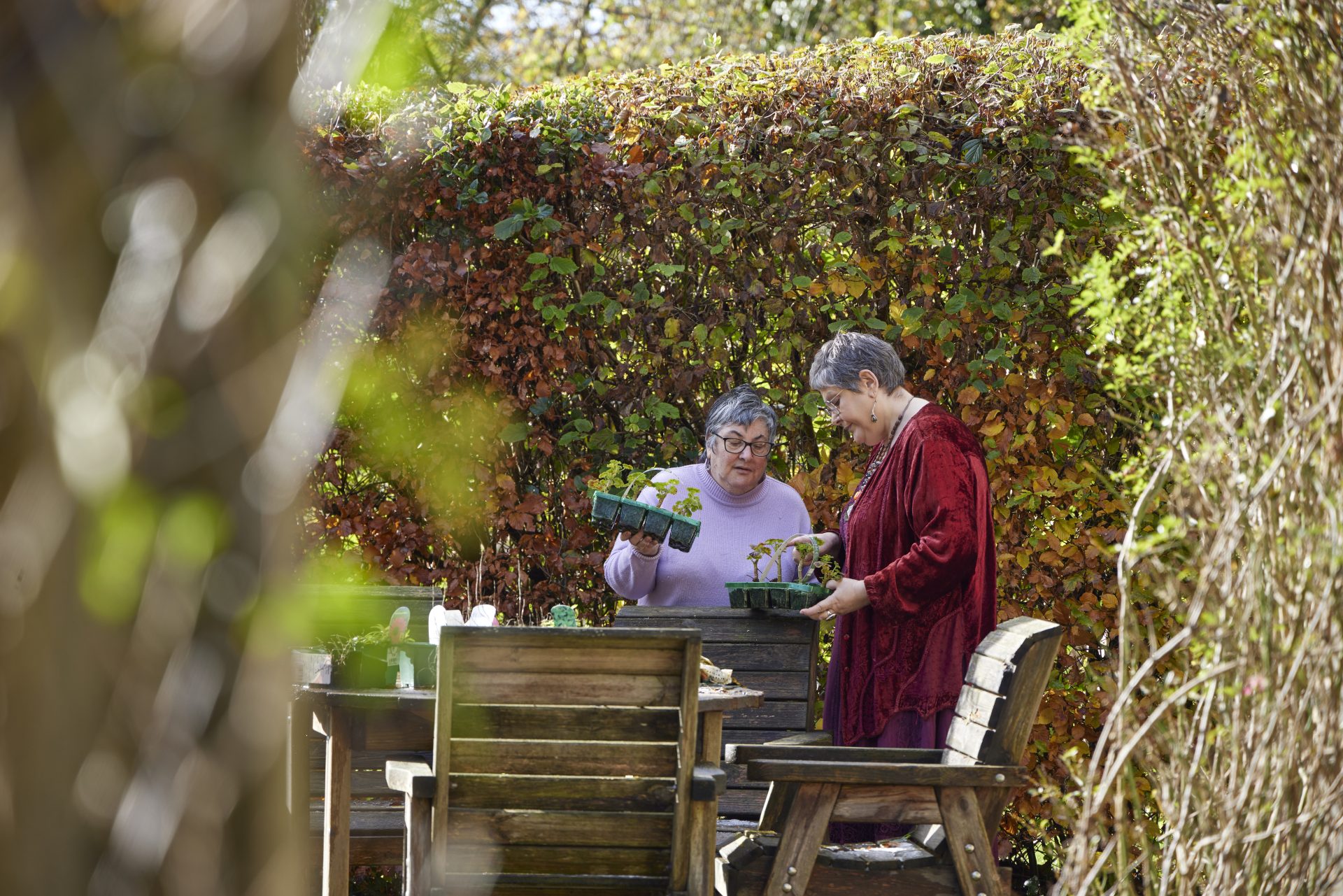
Being a Shared Lives Carer is a job like no other and comes with its unique set of benefits. Alongside the Qualifying Care Relief on taxable income, there are a few other perks to being a carer in a Shared Lives scheme. Check out the list below:
- Paid respite. Respite works a little bit like holiday pay in full time employment. Our long-term carers are entitled to take a break whilst being paid for a set number of days. The person they support will usually spend time with another Shared Lives household whilst they are away.
- Commute-free employment. Carers work within their own home with no need to drive between homes or an office.
- Self-employment. This is a truly flexible way of working. Shared Lives Carers are in control of who they support and for how long. They can also pay less tax on their income and claim expenses on the end of year tax return.
- Council tax reductions. This makes a huge difference to the outgoings of a household. Depending on how many people are living in the household, a Shared Lives Carer can claim a discount of 25% or more on their council tax bill through the care worker discount.
- Contributions to household bills and rent. You’re in it together! The fee paid for the care received doesn’t have to stretch to cover everything. There’s a chunk of money from the person supported that is intended to help with household costs.
- Water bill reductions. A discount is available for those people who have a water meter and are eligible through WaterSure.
Who pays for Shared Lives services?

The money to fund people in Shared Lives services often comes from a mix of sources. Usually, it’s the local authority that helps a person to pay for their care. Some people, depending on their circumstance, self-fund the placement using their own income or personal savings.
The way a person using Shared Lives services pays for their care changes from case to case. Every case is different, and contributions may change over time based on reassessments and financial circumstances. Everyone is financially assessed to see if they can contribute towards the care element of their service and these are regularly reviewed.
Being a Shared Lives Carer is a rewarding way of life. It allows freedom to choose your own way of caring, manage your own hours whilst working from home, and to become part of something really special that positively impacts people’s lives.
We hope you’ve enjoyed this article. If you think it’s the right time for you to sign up to become a Shared Lives Carer then follow this link to our contact us page and get in touch. Head over to our Facebook page to read carer stories and find inspiration for your own care journey. Get in touch with any questions you have, we’d love to hear from you!