Shared Lives services are for adults who need some support in their lives, but don’t want to move into a traditional formal care setting. It is often seen as an alternative to residential care and supported living. It gives people with care and support needs the chance to be part of an ordinary household, to build relationships, and to live everyday life alongside others.
This article explores the type of placements we offer and how Shared Lives South West could support you.
How can Shared Lives help?
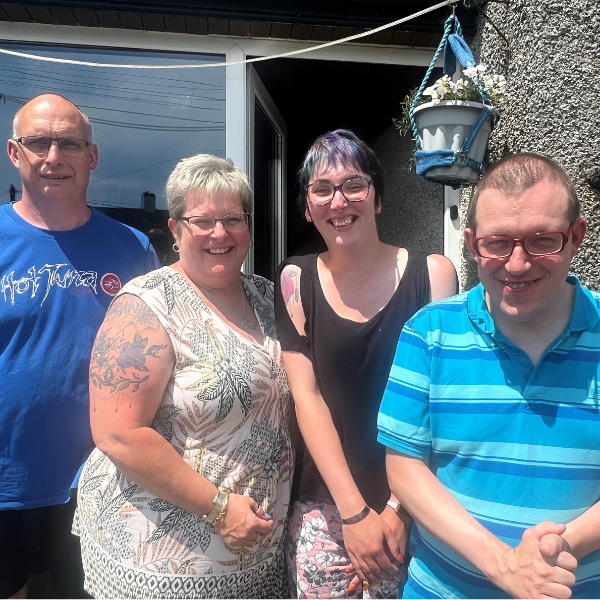
Shared Lives helps people from a wide range of backgrounds, with a variety of needs. Some have learning disabilities or autism, others are going through mental health hurdles, have physical disabilities, or long-term health conditions. Some people may have experienced loneliness or social isolation and are looking for stability and connection. What they all share is a desire for a more personal, home-based way of being supported.
What really sets Shared Lives apart is that it isn’t just about care; it’s about matching people with a trained Shared Lives Carer. Their home, lifestyle, and personality need to be a good fit for the person supported.
When the match between the Shared Lives Carer and the person supported works well, it feels much less like a service and much more like family life. Shared Lives is especially good for people who want companionship, routine, and the chance to be involved in their community. This type of placement provides the reassurance that someone is there to support them when they need it.
What types of support does Shared Lives provide?

Shared Lives support looks a little bit different for everyone. Person-centred support is focused on where the person is in their life and what they are looking for.
The three main types of support are:
- Long-term support: For some, Shared Lives becomes a long-term home. They move in with a Shared Lives Carer and become part of the household, sharing meals, family celebrations, and the ups and downs of everyday life together. Support is woven into normal living rather than delivered at set times. It may be for years, or for some, it is a stepping stone to independence.
- Short breaks: Other people use Shared Lives for short breaks. They might stay with a Shared Lives household for a weekend, a week, or regular planned visits. This is a really positive experience that offers a change of scenery, new friendships, and different experiences, while also giving family carers a chance to rest and recharge.
- Transition support: Shared Lives can also support people through transitions, such as moving from residential care or more structured services into more independent living. Over time, as confidence grows, the level of support can change too. We also assist young adults with a support need who are transitioning from child foster care into Shared Lives.
How does Shared Lives help people to thrive?
At its heart, Shared Lives is about helping people live happier, more connected lives. Many people find that being part of a household gives them a sense of belonging. Yes, they are receiving a care service, but Shared Lives is so much more than that; they often feel like a member of a family. This can make a huge difference to their confidence and well-being.
Support happens within everyday life; people naturally pick up skills, grow in independence, and feel happier and more fulfilled. People have opportunities to try new things, build relationships, and get involved in the local community. This could be joining clubs, volunteering, visiting friends, or simply enjoying ordinary social activities.
Perhaps most importantly, Shared Lives reduces loneliness and isolation. People aren’t just supported, they are included, valued, and genuinely cared about. For many, Shared Lives isn’t just a different way of receiving support; it’s a better way of living their life.
We hope you’ve enjoyed this article about how Shared Lives care can make a real difference. If you are interested in learning more, why not head to our social media pages: Facebook and Instagram to read carer stories and stay up to date with what we do. Head to our blog page for more information-packed articles about Shared Lives.